
Farm to Future
Aquaponics Specialist
Agriculture

Energy & Natural Resources
How can we grow food in new ways?
By farming with living systems.

The Quick Take

What's Happening?
Why Now?
Limited available farmland and freshwater
+
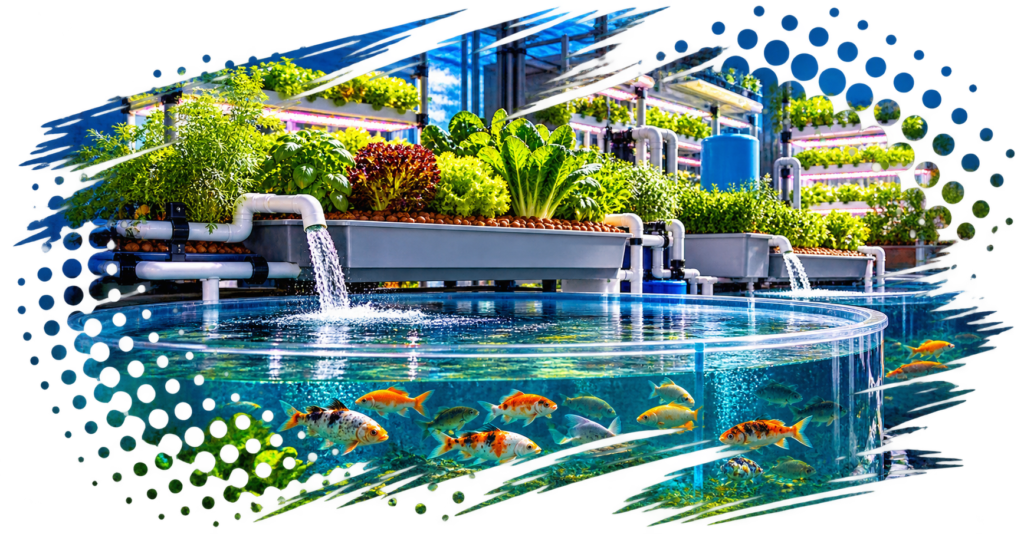
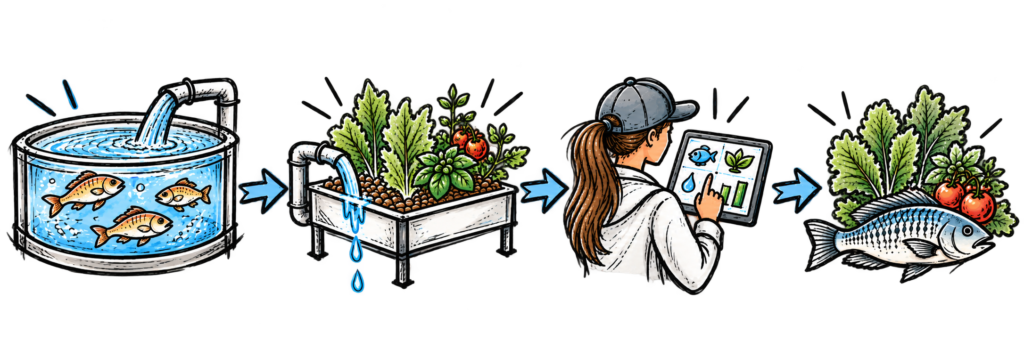
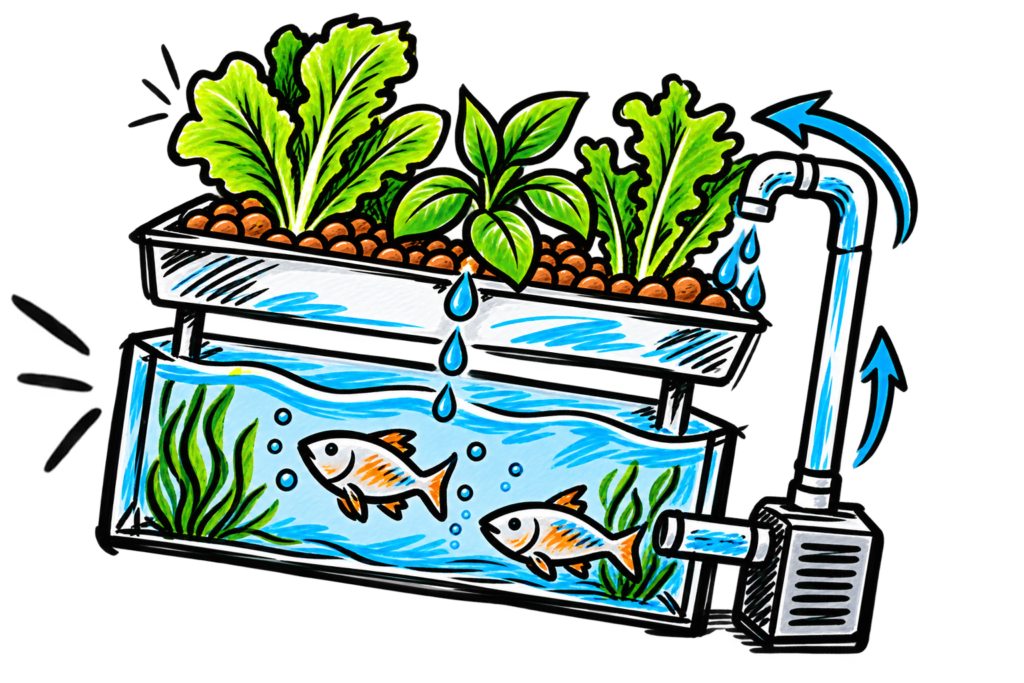
Systems that recycle water and grow crops without soil
=
More places where farming can happen
What's Next?
Instead of waiting until a fish looks sick or a plant starts wilting, future specialists may use cameras and AI to spot problems before the whole system slips out of balance.
Today’s Jobs → Tomorrow’s Career
Even future careers have a backstory. This one grows out of jobs that already keep living things – and the systems around them – healthy.
Farmworkers & Laborers (Crop, Nursery, & Greenhouse)
Focus: the plants
Grows and cares for crops, responding when plants show signs of stress
About $36k
Farmworkers (Farm, Ranch, & Aquacultural Animals)
Focus: the fish
About $37k
Industrial Machinery Mechanics
Focus: the equipment
About $65k
Imagine these jobs coming together. Then put them to work in one connected farm.
Quick reality check: These are national median salaries for current jobs. That means half of workers earn more, and half earn less. They are not starting salaries or guaranteed pay for this emerging career. As you gain experience or continue your education, your pay may grow too.
What the work could look like
Step Into the Role
A small equipment problem can become a big living-system problem.
A pump starts making a concerning noise. It is still moving water, but a replacement part will not arrive until tomorrow.
What would you do?
Keeps water moving, but risks the pump failing before the replacement arrives. →
Reduces the risk of a breakdown, but the system may not run as efficiently. →
Takes pressure off the system, but creates extra work and disruption. →
You might like this if you're...
Homework, practice, the group chat, dinner plans – you still know what needs attention first.
Your room has more plants than available windowsills.
Your latest passion project runs on spare wires, duct tape, and the urge to try one more idea.
You know the neighborhood pets, support animal rescue, and love learning about the platypus.

How Your Classes Connect
| What you're learning now | How you'd use it in this career |
|---|---|
|
MATH — How to compare measurements and spot a trend |
To tell whether water conditions are changing enough to need attention |
|
SCIENCE — How ecosystems stay in balance |
To understand how a change in the water can affect both the fish and the plants |
|
ENGLISH — How to follow written instructions and identify key steps |
To use equipment manuals or procedures when a system needs adjusting |
|
ENGINEERING & TECHNOLOGY — How machines, circuits, and simple systems work |
To understand how pumps keep water moving through the farm |
Make Your Move


There’s no one way to grow into this emerging career.
Start at a South Carolina technical college
Choose the part of the work that interests you most.
Plants + Greenhouses
- Horticulture Technology
- Greenhouse Management
Farm + Animals
- Diversified Agriculture
Equipment + Automation
- Mechatronics Technology
- Industrial Electricity
Add to your toolkit
Want a closer look at how aquaponics works? Nelson + Pade’s Aquaponics 101 is an optional online course that walks you through system design, fish and plant choices, and the basics of aquaponic food production.
Explore a four-year option
An advisor can help you choose courses that could count toward a four-year college or university in fields like horticulture, plant and environmental sciences, or wildlife and fisheries biology.