





Wildcard Futures

Planet Forward

Sustainable Materials Developer

machinery

Advanced Manufacturing

light bulb and manufacturing wheel

Energy & Natural Resources

How can we take care of our planet?

By creating products that leave less waste behind.

Sustainable materials developers rethink what everyday products are made from by creating new materials that can reduce waste. What starts in a lab could eventually become part of your sports gear, phone case, or car interior.
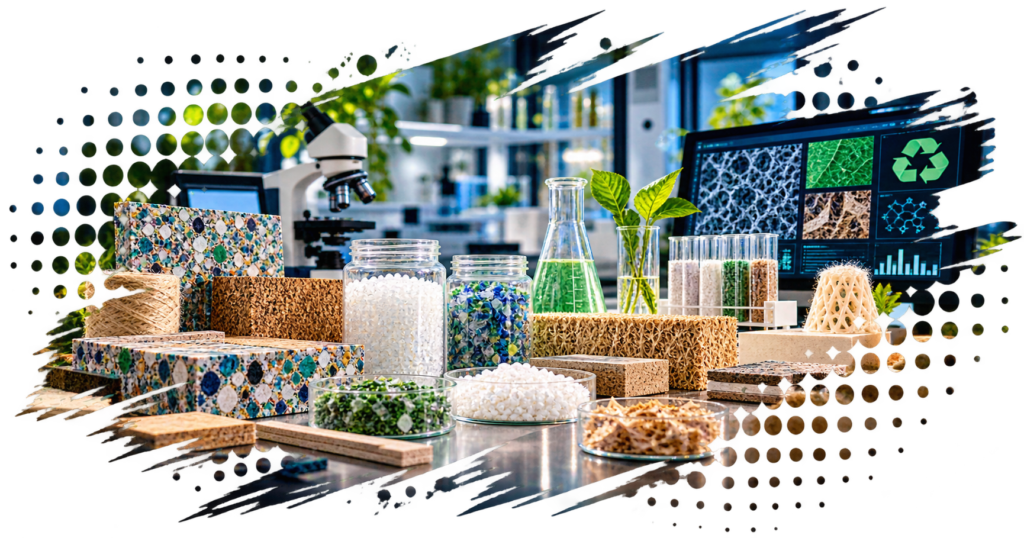
sustainable materials in lab
Wildcard Futures video title card

The Quick Take

What's Happening?

At Clemson, researchers have created plant-based cushioning foam that could someday help protect products from bumps and drops during shipping.

Why Now?

Pressure to cut pollution and waste
+
Stricter rules for what products can be called recyclable
=
Greater demand for more sustainable materials

What's Next?

AI is helping researchers narrow millions of material possibilities to find ones with the right strength, flexibility, or recyclability – so the most promising can be tested in the lab.

Today’s Jobs → Tomorrow’s Career

Even future careers have a backstory. You can already see the pieces of this one at work in labs, product design, and manufacturing.

Materials Scientists

Focus: the science

Studies how new materials behave when the ones we have aren’t good enough

About $118k

Materials Engineers

Focus: the design

Designs and tests materials so they can handle the demands of real products

About $113k

Chemical Engineers

Focus: the production

Figures out how promising materials can actually be manufactured

About $125k

Imagine these jobs coming together. Then design for less waste.

Quick reality check: These are national median salaries for current jobs. That means half of workers earn more, and half earn less. They are not starting salaries or guaranteed pay for this emerging career. As you gain experience or continue your education, your pay may grow too.

What the work could look like

A Day Could Look Like This:

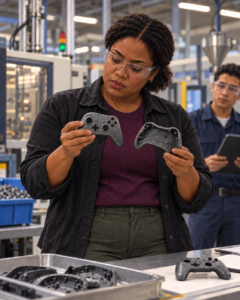
woman examining broken game control pieces8:45 AM — The larger batch doesn’t match the test pieces we approved.
Yesterday, we made a big batch of recycled plastic for gaming-controller shells. The test pieces from the previous small batch came out smooth and consistent, but some shells from the larger batch are warped. Their two halves fit like the wrong lid of a leftovers container – close enough to be annoying, but not close enough to work.

9:40 AM — What changed between the two batches?
The material didn’t suddenly develop a personality, so I retrace the process with a production technician. We compare notes and machine settings from both batches. Temperature, pressure, timing – all could affect how the plastic holds its shape.

Then one difference catches my attention: the larger batch was removed from the mold sooner, before the plastic had as much time to cool and hold its shape.

10:45 AM — I decide to test one setting first.
Cooling too quickly could explain the warping. For the next trial, I recommend a longer cooling time while keeping the other settings the same. Otherwise, even a perfect shell won’t tell us much.

1:15 PM — The next batch gives us a clue.
The new shells sit flatter, and the two halves fit together more cleanly. That’s encouraging – not confetti-worthy, but still evidence that we’re looking in the right place.

2:50 PM — I check what else changed.
A controller shell has more than one job, so better fit isn’t enough. Was the strength, surface quality, or another property of the controller shell affected by the longer cooling time? Time to find out.

4:05 PM — We know more than we did this morning.
I document the cooling change, the improved fit, and what still needs testing before the next large batch. The shells aren’t ready for production yet. But tomorrow, we’ll start with one change that helped instead of a list of possibilities to sort through.

Step Into the Role

A lower-waste material isn’t much help if it breaks on the first drop.

You’re helping redesign a phone case using a material that creates less waste. Early tests show it has the right look and feel – but it cracks more easily than the current version.

What would you do?

A. Keep improving the material.

→

You prioritized reducing waste, even if development takes longer.
B. Blend it with a tougher material.

→

You prioritized finding a balance between durability and sustainability.
C. Stick with the current material for now.

→

You prioritized making sure the product can handle real-world use.
In real life, sustainable materials developers weigh how well something works, what it costs, how it’s made, and what happens to it after use.
One step further: Would your answer change if the new material cost more but lasted just as long?

You might like this if you're...

The Thrifter

You can spot the one great find in a crowded rack and see potential others miss.

The Fashionista

You notice what people actually want to wear – not just what looks good on a hanger.

The Sensory Person

You like the squishy stress ball, the plush blanket, and the gel pen grip – but definitely not the scratchy hoodie!

The Design Critic

If it looks great but feels cheap, awkward, or badly made, you’ll call it out. 

How Your Classes Connect

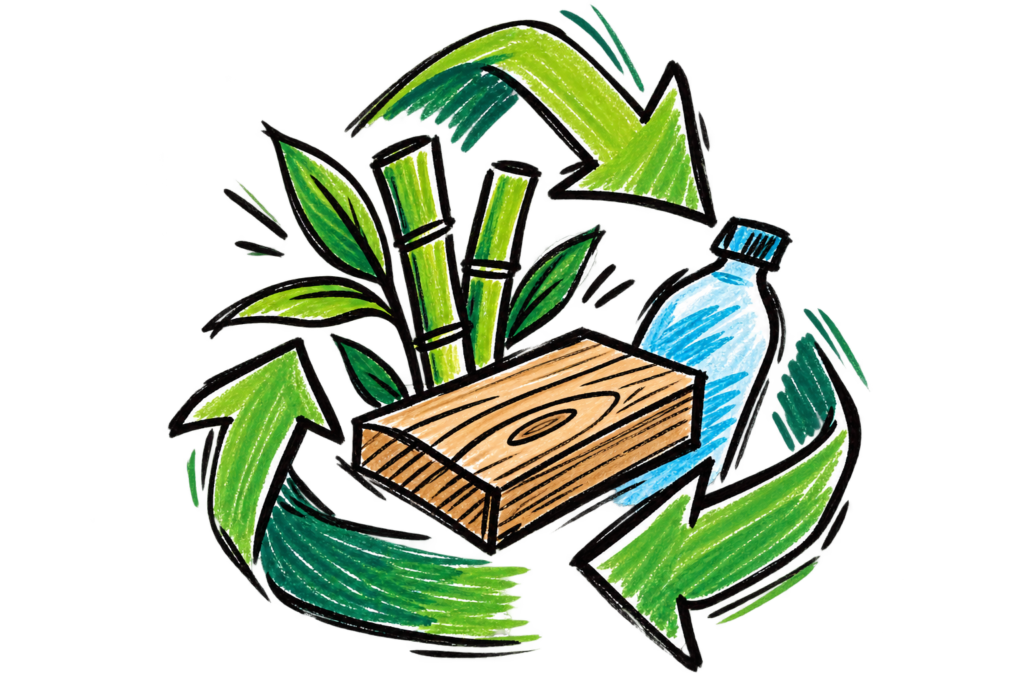
recycling wood plastic and plants
What you're learning now How you'd use it in this career

MATH — Calculating percent change

To measure whether a new material cuts waste or cost compared to the old one

SCIENCE — Properties of matter and how materials react to heat, force, or chemicals

To compare how different materials bend, break, melt, or hold up

ENGLISH — Writing a claim and supporting it with evidence

To justify why a new material should be used

ENGINEERING & TECHNOLOGY — Comparing design options against what a project needs

To choose a material that balances performances and waste

Make Your Move

New materials can start in the lab, on the design table, or on the production floor – and so can you.

Start at a South Carolina technical college

Choose the part of the work that interests you most.

The Materials

The Design

The Making

Add to your toolkit

Interested in what happens to materials after people are done with them? The optional TRUE Advisor certificate teaches students and emerging professionals how businesses can reduce waste and keep materials in use longer.

Explore a four-year option

An advisor can help you choose courses that could count toward a four-year college or university in fields like materials science and engineering, packaging science, and chemical engineering.