
Farm to Future
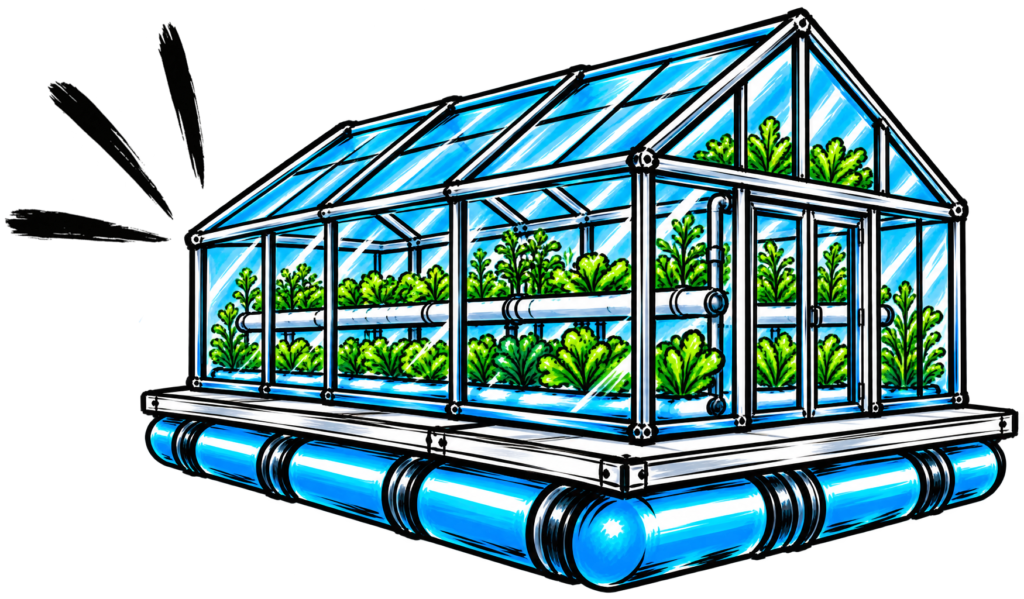
Floating Greenhouse Operator
Agriculture


Energy + Natural Resources
How can we grow food in new ways?
By farming beyond the land.

The Quick Take

What's Happening?
Why Now?
Pressure on farmland and freshwater
+
Tech that turns seawater into irrigation water
=
New ways to grow crops without adding fields
What's Next?
Today’s Jobs → Tomorrow’s Career
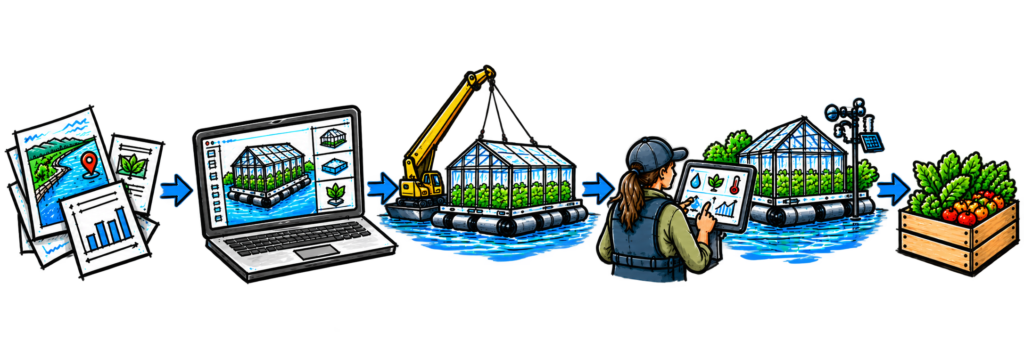
Even future careers have a backstory. Before a greenhouse can float, the work has to start on solid ground.
Agricultural Technicians
Focus: plant science
About $50k
Farmworkers & Laborers
Focus: hands-on growing
About $36k
Farmers, Ranchers, & Other Agricultural Managers
Focus: running a farm
About $90k
What the work could look like
Step Into the Role
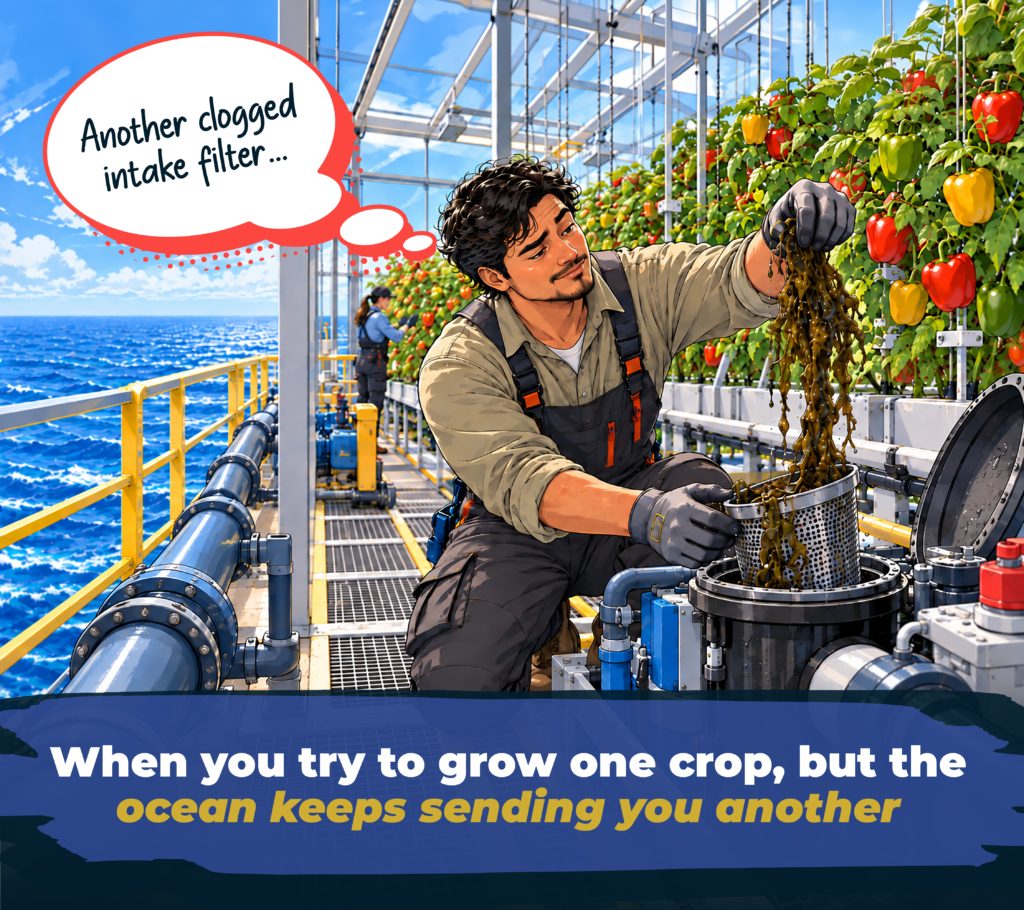
The fastest way to solve one problem could create another.
The greenhouse ventilation system fails on a hot afternoon, and a replacement part cannot arrive until morning. Outside, strong winds are carrying salty spray across the platform.
What first step would you take to protect the crops?
The greenhouse cools fast, but salty air gets in. →
The crops cool, but emergency water runs low. →
Salt stays out, but cooling takes longer. →
You might like this if you're...
You think a few moves ahead and always have a Plan B ready.
Your room has more plants than available windowsills.
When plans change at the last minute, you’re already finding another way forward.
Your latest passion project runs on spare wires, duct tape, and the urge to try one more idea.

How Your Classes Connect
| What you're learning now | How you'd use it in this career |
|---|---|
|
MATH — Comparing measurements with an average |
To notice when greenhouse temperatures are drifting away from normal |
|
SCIENCE — How water changes through evaporation and condensation |
To run equipment that turns seawater into fresh irrigation water |
|
ENGLISH — Finding the main point in a long passage |
To turn a detailed offshore weather forecast into a short update for the crew |
|
ENGINEERING & TECHNOLOGY — How sensors and circuits work together |
To trace a control-screen warning back to an overheating pump |
Make Your Move


There’s no one way to grow into this emerging career.
Start at a South Carolina technical college
Choose the part of the work that interests you most.
The Growing
- Horticulture Technology
- Diversified Agriculture
- Greenhouse Management Certificate
The Equipment
- Mechatronics Technology
- Industrial Technology
The Water
- Environmental Engineering Technology
- Water Operator Certificate
Add to your toolkit
You don’t have to attend Clemson to take its free, online Farming Foundations course. It offers optional training in irrigation, equipment, crop planning, and safety – skills that can travel offshore.
Explore a four-year option
An advisor can help you choose courses that could count toward a four-year college or university in fields like marine science, plant and environmental sciences, or biosystems engineering.