
Power Under Pressure
Disaster Simulation Designer
Public Service & Safety


Digital Technology
How can we act when the stakes are high?
By practicing for the crisis before it happens.


The Quick Take

What's Happening?
Why Now?
What's Next?
Artificial intelligence can generate 100 years of realistic hurricane paths in seconds – giving tomorrow’s designers more what-if storms to turn into drills.
Today’s Jobs → Tomorrow’s Career
Emergency Management Directors
Focus: the plan
About $93k
Training & Development Specialists
Focus: the practice
About $69k
Operations Research Analysts
Focus: the analysis
About $89k
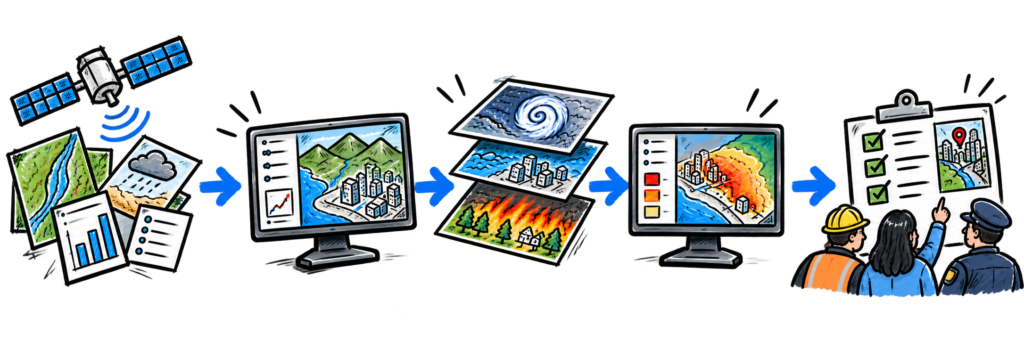
What the work could look like
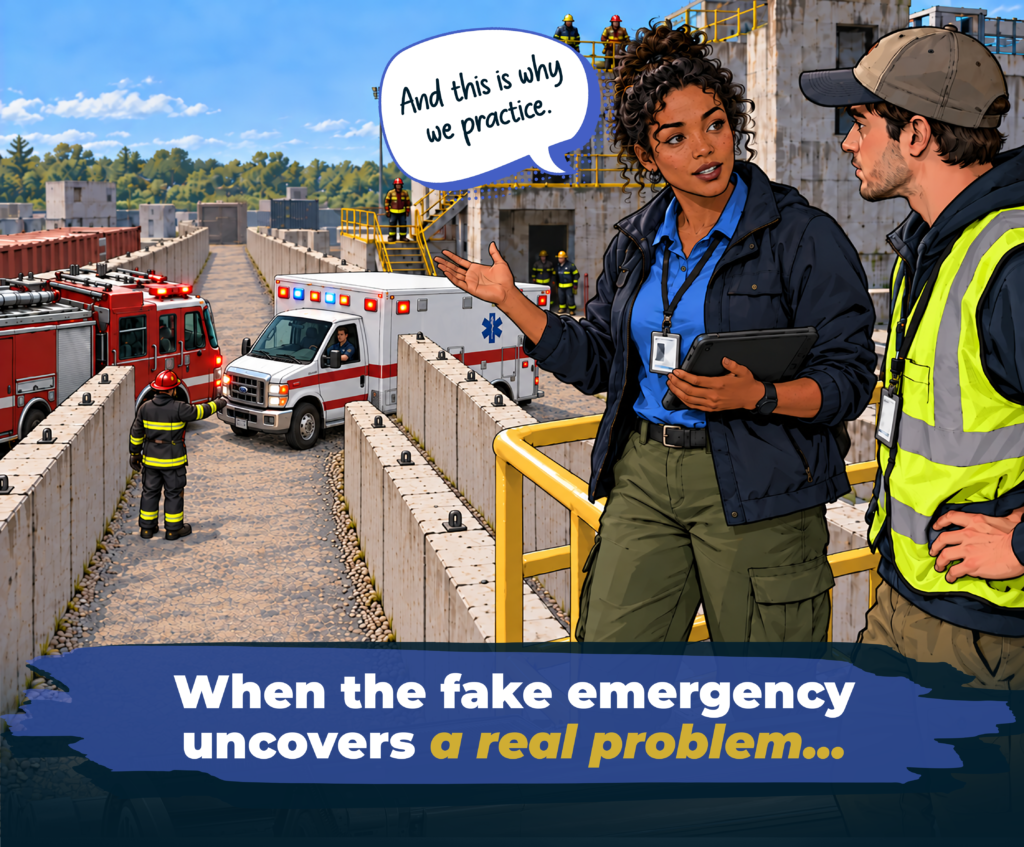
Step Into the Role
A good drill should stretch a team – but how far?
You’re running a hurricane exercise. The team is already handling flooded roads and a shelter that is filling up. You planned to make cell service fail halfway through.
Would you add the outage now?
Test whether they switch to backup communication while managing everything else. →
Give them time to adjust before adding another challenge. →
Focus the remaining time on the road and shelter problems. →
You might like this if you're...
You want to see the picture on the box, not just one puzzle piece.
When everyone says, “That didn’t work,” you’re already planning the next try.
You’re drawn to stories, games, and real events that put you in choose-your-own-adventure mode.
A locked room full of clues sounds more fun than frustrating.

How Your Classes Connect
| What you're learning now | How you'd use it in this career |
|---|---|
|
THEATER — Using timing and improvisation when a scene changes |
To adjust a live drill when participants make an unexpected choice |
|
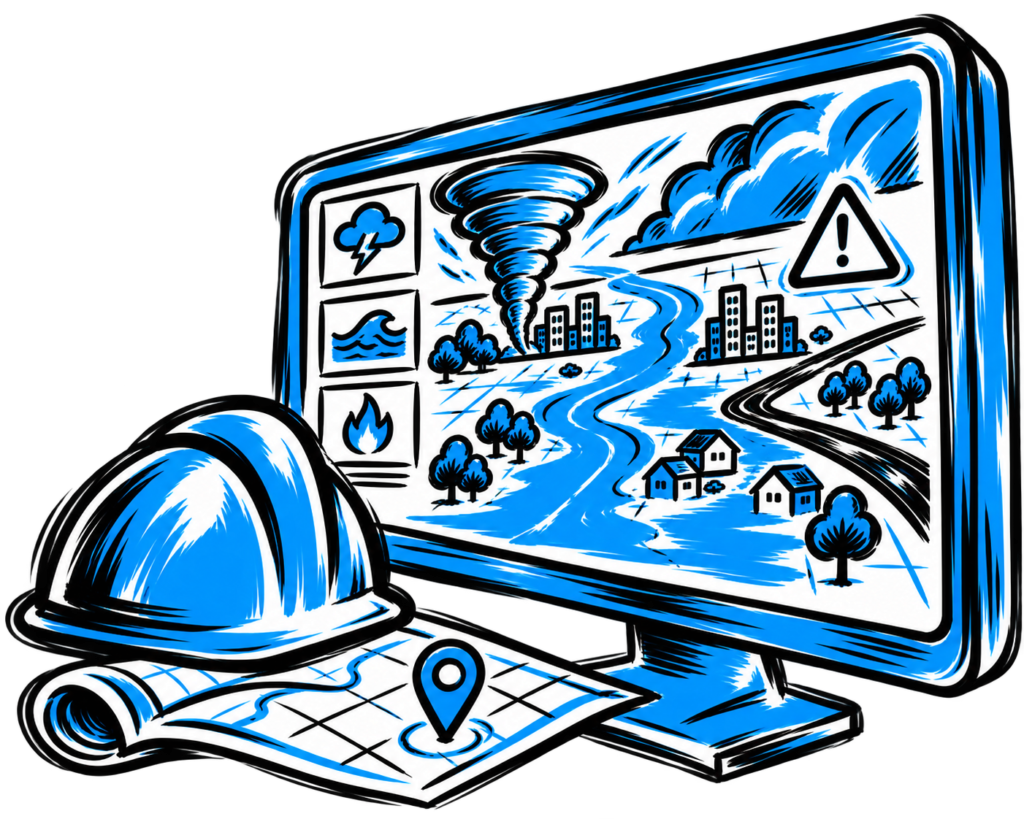
SCIENCE — Weather systems, natural hazards, and cause-and-effect chains |
To make a simulated storm, flood, fire, or earthquake unfold in a believable way |
|
ENGLISH — How plot, pacing, and point of view shape a story |
To decide what each group learns – and when – as the scenario unfolds |
|
SOCIAL STUDIES — How local and state governments serve communities |
To match each agency’s role in the drill to what it would handle in an emergency |
Make Your Move


There’s no single route into a career built around changing the route!
Start at a South Carolina technical college
Choose the part of the work that interests you most.
Prepare for Emergencies
- Homeland Security Management
- Criminal Justice Technology
Build the Simulation
- Computer Technology
- Cybersecurity Certificate
Find the Patterns
- Business Analytics Certificate
- Data Science Certificate
Add to your toolkit
The Federal Emergency Management Agency (FEMA) offers optional courses for emergency management professionals – but interested students can take them, too. Start with An Introduction to Exercises, then try How to Be an Exercise Evaluator.
Explore a four-year option
An advisor can help you choose courses that could count toward a four-year college or university in fields like disaster and emergency management, homeland security and emergency services, and integrated information technology.